
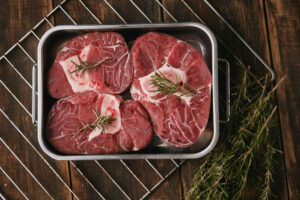


Keeping your food fresh for longer not only saves money but also reduces waste and ensures healthier meals. With a few simple habits and tools, you can extend the shelf life of your groceries and enjoy fresh, tasty food every day.
1. Use Airtight Containers
Airtight containers prevent air and moisture from spoiling your food. Glass or BPA-free plastic containers are ideal for storing leftovers, fruits, vegetables, and dry goods. They also make it easy to organize your fridge and pantry efficiently.
2. Vacuum Seal Your Food
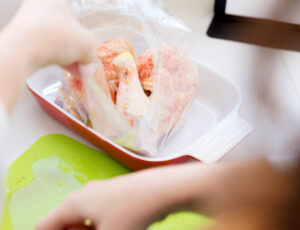
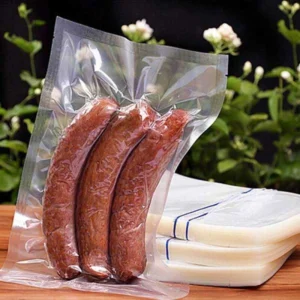
Vacuum sealing removes air from packaging, preventing oxidation and bacterial growth. Vacuum bags are perfect for meats, cheeses, and bulk items. They keep food fresh up to 5 times longer than traditional storage methods.
3. Store Fruits and Vegetables Properly
Different fruits and vegetables have different storage needs. Keep leafy greens wrapped in paper towels inside containers, and store apples separately to prevent them from ripening other produce too quickly. Proper storage helps maintain nutrients and flavor.
4. Keep Your Fridge Organized and Clean
A clean, well-organized fridge improves airflow and prevents cross-contamination. Store raw meats on the bottom shelf, dairy products on middle shelves, and ready-to-eat foods at eye level. Regularly check for expired items to maintain freshness.
5. Use Freezing Strategically
Freezing is one of the best ways to extend food life. Freeze bread, meats, and vegetables in portions you’ll use, and always label them with the date. Properly frozen foods retain their taste, texture, and nutrients.
6. Monitor Temperature and Humidity
Refrigerators should be kept at 1–4°C (34–39°F) and freezers at -18°C (0°F). Avoid frequent door openings and store foods in zones suited to their type. Some fruits, like bananas, should stay at room temperature, while others, like berries, do better chilled.
7. Use Natural Preservatives
Lemon juice, vinegar, and salt can help prolong freshness naturally. For example, soaking cut apples or avocados in lemon water prevents browning, while lightly salting vegetables before storage can maintain crispness.
Conclusion
Fresh food is the key to healthy eating and reducing waste. By implementing simple storage tips, using vacuum bags, and keeping your fridge organized, you can make your groceries last longer and enjoy better-tasting meals every day. A few smart habits go a long way in keeping food fresh!

Plastic Shop is your trusted supplier in Singapore, offering quality plastic and packaging products at the best prices for both retail and wholesale customers.

Copyright @ 2026 PlasticShop Singapore. All rights reserved.